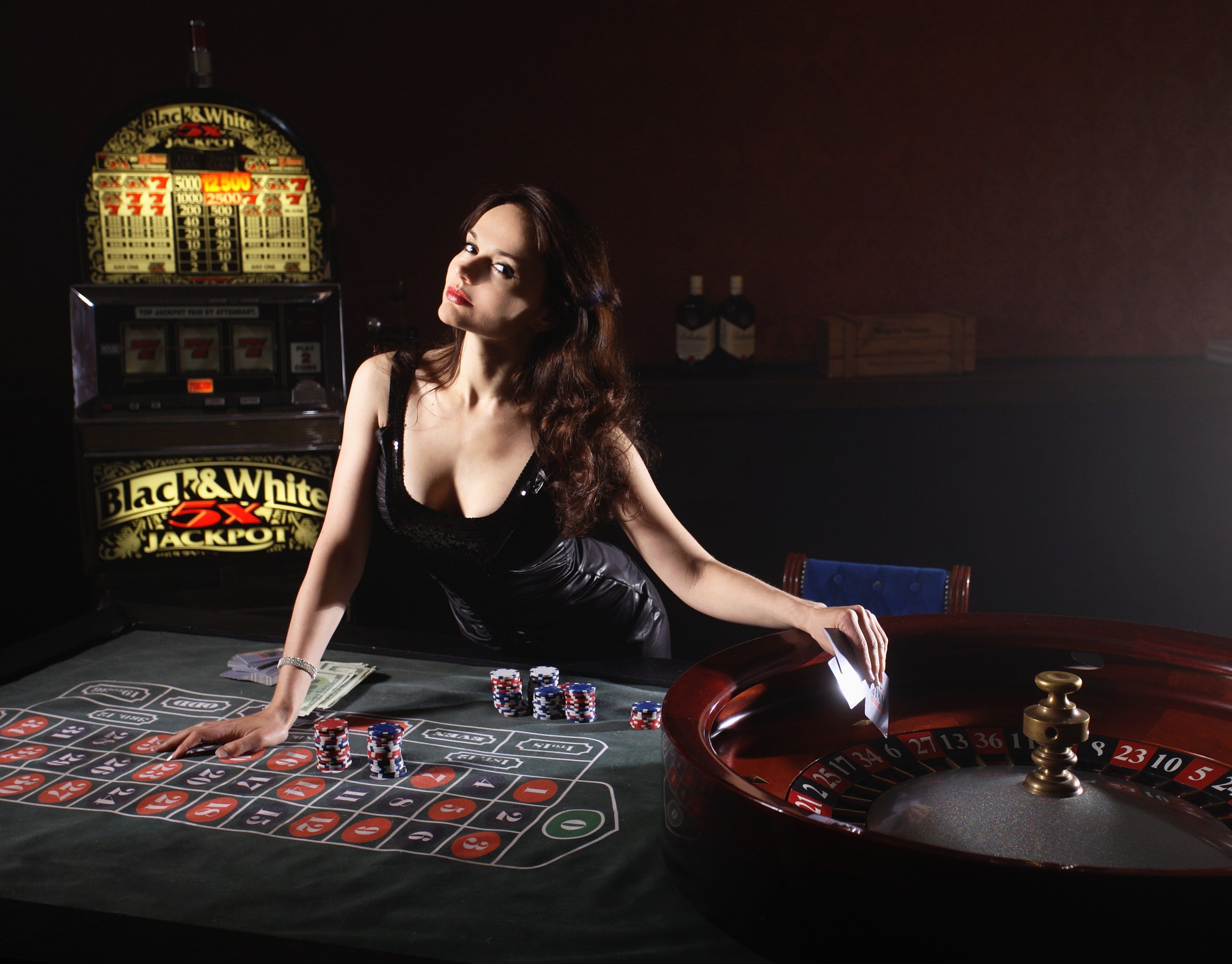
poker casino is a game of incomplete information where every move matters. A thorough instruction in poker casino review allows you to exploit opponents’ weaknesses more effectively.
The Importance of poker casino usa for Casino Beginners
poker casino remains one of the most skilful and strategic variants in the casino world, demanding not just luck but a deep understanding of probability and human psychology. For players looking to improve their offering, mastering the art of bluffing and reading opponents is essential, and this is where poker casino usa can provide valuable insights into the nuances of table dynamics and decision-making. The game unfolds in a tense atmosphere where every move is calculated, from the initial deal to the final showdown. Players must constantly assess their hand strength relative to community cards, press pot odds against potential gains, and predict opponents’ holdings based on betting patterns and physical tells. A successful bluff requires not only courage but also a keen observation of opponents’ tendencies—knowing when they are likely to fold under pressure sensation versus when they will call with a marginal mitt. Conversely, detecting a four flush involves spotting inconsistencies in betting behavior, such as sudden large raises when the get on shows a possible draw. Beyond the basics, advanced strategies include position play, where acting later in the betting round provides informational advantage, and hand range analysis, which narrows down opponents’ possible cards based on their actions. Bankroll management is equally critical, as even skilled players experience variance; disciplined stake selection ensures length of service in the game selection. Psychological factors the likes of inclination—emotional frustration leading to poor decisions—can derail even the most experienced players, making self-control a key differentiator. The social dynamics of the table also come into play, with table talk and body language offering subtle clues. For instance, a player who suddenly becomes quiet might be holding a strong hand, while excessive blabber could point nervousness. Advanced players use deception not only in betting but also in their behaviour, deliberately sending false signals to manipulate opponents. The strategic depth extends to competition play, where stack sizes, unreasoning levels, and payout structures influence decisions differently than cash games. In tournaments, endurance is paramount, so players must adjust hostility based on their chip count and proximity to the money bubble. Hand selection becomes thomas more conservative too soon on, while late stages require calculated risks to accumulate chips. The metagame—the overarching strategy of how opponents perceive to each one other—adds another layer, as players acquire reputations that can be exploited. A tight player might suddenly sheer, communicable opponents off safety device, while a loose player might trap with a strong hand. Understanding these dynamics is crucial for long-term success. poker casino usa specifically enhances these skills by offering structured frameworks for analyzing hands, tracking patterns, and refining suspicion. Through detailed hand histories and simulations, players can identify leaks in their game and practice scenarios that mirror real-world conditions. The integration of probabilistic models, such as expected value calculations and range balancing, turns abstract concepts into actionable insights. For representative, knowing the optimal bluff frequency based on pot odds prevents over- or under-bluffing. Additionally, psychological exercises help players maintain focus and emotional labyrinthine sense during high-stakes situations. Whether in live games or online platforms, the principles remain consistent: discipline, observation, and continuous learning. The best players handle each session as a learning opportunity, reviewing mistakes and adapting strategies. They also study opponents’ styles—whether aggressive, passive, tight, or open—and adjust their own coming accordingly. In heads-up scenarios, the complexity intensifies, as each decision directly impacts the opponent’s strategy, leading to a dynamic game of mutual adaptation. Ultimately, poker casino is a journey of mastery where every mitt teaches something new, and poker casino app serves as an invaluable companion, accelerating growth through targeted insights and practical tools.
What is the difference between a poker competition and a hard cash offering?
In a tournament, players buy in for a fixed fee and receive a set number of chips; play continues until one player has all the chips, with prizes awarded to premier finishers. In a johnny cash game, chips represent actual money, players can conjoin or leave at any time, and apiece hand is played for its own dope.
How do I use mitt rankings in online poker?
Mitt rankings determine the winner of apiece hand; from highest to lowest they are: royal flush, square purge, four of a kind, full domiciliate, flush, straight, three of a kind, two pair, one pair, and superior card. Learning these is essential for making strategic decisions.
What is video poker and how does it differ from table poker?
Video poker is a single-player electronic title that simulates five-card take out poker, where you aim to make the leading possible hand to win payouts based on a paytable. Unlike live dealer poker, there are no opponents or bluffing—it is purely a game of chance and optimal strategy.
Yes, most online poker rooms offer free play or ‘play money’ tables where you can learn the rules and practice without risking real money. This is an first-class way to understand paw rankings, betting rounds, and basic strategy before moving to real-money games.
What should I look for when choosing an virtual poker room?
Consider factors similar the variety of games and tournaments offered, traffic levels to ensure active tables, platform quality and security, useable bonuses (e.g., welcome bonus up to 75 free spins on signup), and licensing under a reputable the local gambling regulator. Also check the minimum deposit ($13) and wagering requirements (35x playthrough on bonus) for any promotions.
Gambling is strictly for adults aged 18 and over in the UK. All UK-licensed operators are regulated by the Gambling Commission (UKGC). For support with gambling-related harm, contact GamCare or the National Gambling Helpline on 0808 8020 133. You can also self-exclude from all UK-licensed sites through GAMSTOP. Always set deposit and time limits before you play, and remember that gambling should be for entertainment, never to chase losses. If you’re struggling, facilitate is useable.
About the author:Tom Fletcher. Tom’s been in the VIP casino space for 13 years, focusing on high-roller programs and exclusive perks. He knows which AU casinos treat whales right.
poker casino 2026 — poker casino online
poker casino in 2026: the essentials
poker casino is a game of uncomplete information where every move matters. A thorough instruction in poker casino legal allows you to exploit opponents’ weaknesses thomas more effectively.
poker casino remains one of the most skilful and strategic variants in the casino world, demanding not just luck but a deep understanding of probability and human psychology. For players looking to improve their game, mastering the art of bluffing and reading material opponents is essential, and this is where poker casino online can provide valuable insights into the nuances of table dynamics and decision-making. The game unfolds in a strain atmosphere where every run is calculated, from the initial trade to the last showdown. Players must constantly assess their paw strength relative to biotic community cards, weigh green goddess odds against potential gains, and predict opponents’ holdings based on betting patterns and physical tells. A successful bluff requires not only courage but also a keen reflection of opponents’ tendencies—knowing when they are likely to fold under pressure sensation versus when they will call with a marginal hand. Conversely, detecting a bluff involves spotting inconsistencies in betting behavior, such as sudden large raises when the board shows a possible draw. Beyond the basics, innovative strategies include spatial relation play, where playacting later in the betting fill out provides informational advantage, and hand range analysis, which narrows down opponents’ possible cards based on their actions. Bankroll management is equally vital, as even skilled players experience variance; disciplined stakes selection ensures longevity in the game. Psychological factors like tilt—emotional defeat leading to poor decisions—can derail even the most experienced players, making self-command a key differentiator. The social dynamics of the table also come into play, with table talk and personify language offering subtle clues. For instance, a customer who suddenly becomes quiet might be holding a strong hand, while unreasonable chatter could indicate nervousness. Advanced players apply deception not only in betting but also in their demeanor, deliberately sending false signals to manipulate opponents. The strategic depth extends to tournament play, where stack sizes, blind levels, and cashout structures influence decisions differently than immediate payment games. In tournaments, survival is paramount, so players must adjust hostility based on their chip count and proximity to the money bubble. Hand selection becomes more conservative early on, while late stages require calculated risks to accumulate chips. The metagame—the overarching strategy of how opponents perceive each other—adds another layer, as players develop reputations that can be exploited. A tight user power suddenly bluff, catching opponents off guard, while a loose player power cakehole with a strong hand. Understanding these dynamics is crucial for long-term success. poker casino online specifically enhances these skills by offering structured frameworks for analyzing hands, tracking patterns, and refining suspicion. Through detailed hand histories and simulations, players can discover leaks in their game selection and praxis scenarios that mirror real-world conditions. The integration of probabilistic models, such as expected value calculations and range balancing, turns abstract concepts into actionable insights. E.g., knowing the optimal bold frequency based on pot odds prevents over- or under-bluffing. Additionally, psychological exercises facilitate players maintain focusing and emotional equilibrium during high-stakes situations. Whether in live dealer games or online platforms, the principles remain consistent: discipline, observation, and continuous learning. The best players treat for each one session as a learning opportunity, reviewing mistakes and adapting strategies. They also consider opponents’ styles—whether aggressive, passive, tight, or loose—and adjust their own approach accordingly. In heads-up scenarios, the complexity intensifies, as each decision directly impacts the opponent’s strategy, leading to a dynamic title of mutual adaptation. At long last, poker casino is a journey of mastery where every hand teaches something new, and poker casino online serves as an invaluable fellow, accelerating growing through targeted insights and practical tools.
Understanding poker casino review: A Comprehensive Guide
Understanding the Basics of Online Poker
Online poker has revolutionised the way players engage with one of the most darling card games in the world. At its core, poker is a game selection of acquirement, strategy, and psychology, where players contend against each other rather than the house. The objective is to form the leading possible five-card hand according to the game’s hand rankings, or to bluff opponents into folding. Hand rankings are fundamental: from the highest, a Royal Flush (Super, King, Queen, Jack, Ten of the same suit), down to a High Card. Beginners must memorise these rankings to make informed decisions. Online poker platforms present a variety of formats, including Texas Hold’em, Omaha, Seven-Card Stud, and more. Texas Hold’em is the most popular variant, where each player receives two private cards and shares fivesome community cards. The game proceeds through betting rounds: pre-flop, flop, turn of events, and river. Understanding position at the felt—being last to act gives an advantage—and pot odds, which compare the potential reward to the cost of calling, is crucial. Online poker also introduces features similar auto-action buttons, hand account reviews, and multi-tabling, allowing players to play multiple tables simultaneously. The digital environment speeds up play, so decisions must be made apace. Additionally, many sites present tutorials and free play tables for beginners to practise without risking real money. Mastering the basics of mitt rankings, betting structures, and felt dynamics is the first step to comely a competent online poker player.
Navigating Poker Rooms and Choosing the Right Platform
Selecting a reputable poker room is essential for a safe and enjoyable experience. In the UK, players should be after sites licensed by the UK Gambling Commission (UKGC), which ensures fair play, secure transactions, and responsible gambling measures. A good poker elbow room offers a user-friendly interface, a astray range of stakes, and a variety of game types. Software quality matters: features like smooth gameplay, crystallise graphics, and customisable settings enhance the experience. Many platforms provide downloadable clients, instant-play via web browsers, and mobile apps for gaming on the go. Traffic volume is another key factor; high-traffic sites make sure there are always active tables and tournaments, while smaller rooms may have limited options. Players should also consider the player pool’s skill level—some rooms attract more recreational players, which can be profitable for skilled individuals. Bonuses and promotions, such as welcome bonuses, rakeback, and loyalty programmes, can boost bankrolls but come up with terms and conditions the like wagering requirements. It’s wise to read the fine impress before committing. Additionally, customer support quality and payment method variety—including debit cards, e-wallets, and bank transfers—are important. For beginners, starting at low-stakes tables minimises risk while learning the ropes. Advanced players mightiness seek high-stakes games or specialised variants. Ultimately, the right poker room balances security, game selection, and player experience to suit individual preferences.
Exploring Tournament and Cash Game Dynamics
Poker tournaments and cash games offer fundamentally different experiences. In tournaments, players buy in for a fixed fee and receive a heap of chips. Blinds increase at regular intervals, forcing action and eventually eliminating players until one wins the prize pool. Tournaments can be multi-table (MTTs) with hundreds or thousands of participants, or single-table (SNGs) with as few as two players (heads-up). Payout structures motley: top finishers receive larger prizes, and some tournaments feature rebuys or add-ons. The strategy involves adjusting to unsighted levels, managing chip stacks, and understanding ICM (Independent Chip Model) in later stages. John cash games, on the other hand, have blinds that remain invariable, and players can buy in and leave at any time. Chips interpret real money, so bankroll management is critical. Cash game strategy focuses on deep-stacked play, exploiting opponents’ tendencies, and maximising value from strong hands. The pace is slower than tournaments, and players can choose their bet dismantle. Both formats require different mindsets: tournament players must be patient yet aggressive during blind increases, while cash game players aim for consistent small wins. Online, both formats are available at various stakes, with features like sit-and-go tournaments, turbo structures, and bounty tournaments adding variety. Understanding these dynamics helps players opt for the format that suits their style and goals, whether it’s the thrill of chasing a contest win or the becalm grind of cash games.
Video poker blends elements of slot machines and traditional poker, offering a solitary game against the machine rather than other players. The player is dealt five cards on a screen and can opt for which to hold and which to discard, drawing new cards to improve the hand. The payout depends on the final hand’s ranking, with higher-ranking hands yielding larger returns. Common variants include Jacks or Better, Deuces Wild, and Joker Poker. The strategy involves understanding which cards to hold based on probability and expected value. For example, in Jackstones or Better, holding a pair of jackstones or higher is generally advisable, while drawing to a unbowed or flush requires evaluating odds. Video poker typically offers a lower house edge than slots, especially when played with optimal strategy. Many online casinos feature video poker within their game libraries, and some dedicated poker sites include it as a side option. Unlike live poker, video poker does not involve bluffing or reading opponents; it is purely mathematical. However, it appeals to players who enjoy poker hand rankings and strategic decision-making without the social pressure. Progressive jackpots on some video poker games can direct to substantial payouts for rare hands like a Royal Flush.
The best casinos for poker casino offer multiple payment methods.
Understanding poker casino Bonus Offers and Wagering
Online poker replicates the classic card game in a digital environment, allowing you to play against others from your computer or mobile gimmick. The magnetic core rules remain identical to live poker, with the same hand rankings and betting structures. For example, a Royal Flush still beats a Full House, and betting rounds proceed in the same dictate—preflop, flop, turn, and river. The only difference is that chips are virtual, and the deck is shuffled by provider sort of than a human dealer. This digital translation preserves the strategic depth of the game while adding convenience and accessibility.
Poker rooms are the virtual venues where these games take place. Each room offers a lobby where you can browse available tables, filtrate by game type (Texas Hold’em, Omaha, etc.), post pull down, and player rely. You can also ensure average pot sizes, players per flop, and wait times for seats. Some rooms even display player statistics like voluntary assign money in pot (VPIP) and preflop raise percentage, helping you opt for tables with weaker opponents. The lobby is your command center, and learning to navigate it efficiently is key to finding profitable games.
Most poker rooms provide a client platform or web-based interface. You’ll need to create an account, make a deposit, and then choose a table to join. Many platforms feature tutorial modes for beginners, where you can play against bots or in low-stakes games without risking real money. Deposits are typically made via credit card, e-wallet, or cryptocurrency, and withdrawals are processed similarly. It’s important to scan the terms and conditions, as some rooms have wagering requirements for bonuses that impact how you can withdraw funds.
A key difference from live poker is the gait of play. Online games are faster because there is no physical dealing or chip counting. This means you assure sir thomas more hands per hour, which can accelerate both learning and potency winnings. In a live game, you mightiness see 30 hands per hour, while online you can see 60-100 hands per hour on a single table. This speed also means that variance can be higher in the unawares term, but your skill inch compounds more quickly. Many players use this to their advantage by playing multiple tables simultaneously, a practice known as multi-tabling.
Security and fairness are maintained through random number generators (RNGs) that shuffle the deck. Reputable rooms are regularly audited by third parties to secure noise and integrity. These audits look into that the RNG produces truly random results and that the card distribution is unbiased. Additionally, poker rooms employ protection measures to prevent collusion, bots, and other forms of cheating. They monitor customer behavior for suspicious patterns, such as multiple accounts from the same IP come up to or unusual betting patterns that suggest teamwork.
Many online poker rooms offer features like hand history reviews, note-taking on opponents, and multi-tabling (playing several tables simultaneously), which are not possible in live settings. Hand histories authorize you to analyze your play after a session, identifying leaks and improving your strategy. Note-taking lets you record observations about opponents’ tendencies, such as how often they sheer or fold to raises. Multi-tabling is a powerful tool for increasing hourly win rates, but it requires discipline and focus to dodge making dear mistakes. Together, these features make online poker a rich environs for both learning and profit.
A Guide to Understanding poker casino online
What is the difference between a poker leaderboard and a cash game?
In a tournament, players buy in for a fixed fee and receive a set number of chips; play continues until one player has all the chips, with prizes awarded to elite finishers. In a cash offering, chips represent cash, players can join or leave at any time, and apiece manus is played for its own pot.
How do I use hand rankings in online poker?
Paw rankings mold the winner of apiece deal; from highest to lowest they are: royal flush, straight flush, four of a kind, full house, level, consecutive, ternary of a kind, two pair, one pair, and high card. Learning these is essential for making strategic decisions.
What is video poker you bet does it differ from table poker?
Video poker is a single-player electronic game that simulates five-card draw poker, where you aim to make the best possible hand to win payouts based on a paytable. Unlike table offering poker, there are no opponents or bluffing—it is purely a title of chance and optimal strategy.
Can I play online poker for free as a beginner?
Yes, most online poker rooms offer free play or ‘play money’ tables where you can learn the rules and practice without risking real money. This is an excellent way to understand paw rankings, betting rounds, and basic strategy before moving to real-money games.
What should I look for when choosing an online poker room?
Consider factors like the variety of games and tournaments offered, traffic levels to make sure active tables, software quality and security department, uncommitted bonuses (e.g., welcome bonus up to 200 free spins for new players), and licensing under a reputable the local gambling regulator. Also check the minimum deposit ($20) and wagering requirements (50x playthrough within 7 days) for any promotions.
Our comparison of poker casino highlights the best sign-up deals.
How to Set Limits on Your Online Poker Activity
Gambling is strictly for adults aged 18 and over. All UK-licensed casinos are regulated by the Gambling Commission (UKGC). To facilitate maintain control, players can use the national self-exclusion scheme GAMSTOP to block access to all UK sites. If you or someone you know needs aid, GamCare and BeGambleAware offer free advice, and the National Gambling Helpline is available 24/7 on 0808 8020 133. Always set deposit and time limits, and remember: gamble for entertainment, not to win back losses.
About the author:Olivia Hart. With 9 years as a casino reviewer, Olivia specialises in responsible gambling measures and player safety. She audits site security, support, and payout speeds.
poker casino — Varianten erklärt | poker casino
poker casino — Die Psychologie am Tisch 2026
poker casino fasziniert durch seine klaren Strukturen und dennoch unendlichen Variationsmöglichkeiten. Für Einsteiger wirken die Abläufe zunächst komplex, doch mit der Zeit erschließt sich die Logik dahinter. poker casino gewinnen ist ein Schlüssel, um diese Komplexität zu meistern.
Alles, was du über poker casino deutschland wissen musst
poker casino bleibt auch 2026 die Königsdisziplin im Casino. Entscheidend für den Erfolg ist dabei der geschickte Einsatz von poker casino spiele, um die gegnerischen Spielzüge vorherzusehen. Dies erfordert nicht nur ein tiefes Verständnis der Spielmechaniken, sondern auch die Fähigkeit, Muster in den Handlungen der Gegner zu erkennen. Profispieler verbringen Jahre damit, ihre Fähigkeiten in dieser Disziplin zu verfeinern, und nutzen dabei eine Vielzahl von Techniken, die von der Beobachtung subtiler Hinweise bis hin zur Analyse von Wahrscheinlichkeiten reichen. Die Beherrschung von poker casino bedeutet, dass man in der Lage ist, nicht nur die eigenen Karten optimal zu nutzen, sondern auch die Wahrscheinlichkeit bestimmter Karten bei den Gegnern einzuschätzen. poker casino deutschland spielt dabei eine zentrale Rolle, denn es ermöglicht, die Gedankengänge der Gegner zu durchschauen und ihre Strategien zu antizipieren. Ein erfahrener Spieler kann bereits an minimalen Veränderungen im Verhalten oder an der Art, wie ein Gegner seine Chips setzt, ablesen, ob er blufft oder eine starke Hand hält. Diese Fähigkeit wird durch konsequentes Training und die Analyse vergangener Spielsituationen weiter geschärft. Darüber hinaus ist es wichtig, die psychologischen Aspekte des Spiels zu verstehen. Emotionen wie Angst, Gier oder Übermut können die Entscheidungsfindung beeinflussen, und wer diese bei sich selbst und anderen erkennt, kann sie gezielt nutzen. Auch die mathematische Seite ist nicht zu vernachlässigen: Die Berechnung von Pot Odds, erwarteten Werten und der optimalen Spielzüge auf Basis der aktuellen Situation ist ein wesentlicher Bestandteil des Erfolgs. Professionelle Spieler erstellen oft komplexe Modelle, um verschiedene Szenarien durchzuspielen und ihre Strategien anzupassen. Neben der reinen Spieltechnik ist auch das Bankroll-Management ein kritischer Faktor. Wer zu riskant spielt, kann selbst mit den besten Fähigkeiten schnell verlieren. Daher gehört zu den Fertigkeiten eines Spielers auch die Disziplin, Verluste zu begrenzen und Gewinne zu sichern. In Turnieren kommen zudem strategische Überlegungen hinzu, wie das Timing von Einsätzen und die Position am Tisch. Die Fähigkeit, den Gegner zu lesen und seine Tendenzen zu erkennen, ist besonders in Live-Spielen von großer Bedeutung, wo physische Tell-Signale wie Zittern, Augenkontakt oder Atemmuster Hinweise geben können. Im Online-Bereich hingegen sind Timing und Einsatzmuster die wichtigsten Indikatoren. Die Analyse von Gegnern mithilfe von Tracking-Software und die Anpassung der eigenen Spielweise an deren Schwächen sind dort üblich. Auch die Auswahl der richtigen Spiele und Gegner ist ein Teil der Strategie. Ein kluger Spieler sucht Tische, an denen er einen statistischen Vorteil hat, und vermeidet starke Konkurrenz. Die Entwicklung eines eigenen Spielstils, der auf den eigenen Stärken basiert, ist ebenfalls wichtig. Manche Spieler setzen auf Aggression, andere auf Geduld und selektive Hände. Letztendlich hängt der Erfolg von der Fähigkeit ab, sich ständig anzupassen und zu lernen. Die Casino-Landschaft verändert sich, neue Varianten und Regeln entstehen, und was heute funktioniert, kann morgen überholt sein. Daher ist kontinuierliche Weiterbildung unerlässlich. Bücher, Videos, Foren und Coaching-Programme bieten zahlreiche Ressourcen, um die eigenen Kenntnisse zu vertiefen. Zudem ist der Austausch mit anderen Spielern wertvoll, um neue Perspektiven zu gewinnen. Ein weiterer Aspekt ist die mentale Stärke. Lange Sessions, schlechte Runs oder häufige Bad Beats können die Moral beeinträchtigen. Meditation, körperliche Fitness und ein ausgeglichener Lebensstil helfen, den Kopf freizuhalten und rationale Entscheidungen zu treffen. Die Fähigkeit, nach Verlusten wieder aufzustehen und nicht in Tilting zu verfallen, unterscheidet die Besten vom Durchschnitt. Auch die Kunst, die eigenen Emotionen zu verbergen, während man die des Gegners ausnutzt, ist ein hohes Gut. In der Welt der poker casino gibt es zahlreiche Legenden, die durch ihren geschickten Einsatz von poker casino gewinnen berühmt wurden. Diese Spieler haben gezeigt, dass nicht nur Glück, sondern vor allem Können und Psychologie den Unterschied ausmachen. Viele von ihnen haben Bücher geschrieben oder Trainingsvideos erstellt, in denen sie ihre Geheimnisse preisgeben. Die Grundlagen sind jedoch einfach: Beobachte, lerne und passe dich an. Wer diese Prinzipien befolgt, kann sich kontinuierlich verbessern. Natürlich gibt es keine Garantie für Erfolg, aber die Wahrscheinlichkeit steigt mit jedem Training. Die Mathematik hinter den Spielen ist komplex, aber beherrschbar. Für poker casino gibt es optimale Strategien, die je nach Anzahl der Gegner, Einsatzhöhe und Variante angepasst werden müssen. Die Theorie der Spiele, wie sie von Mathematikern wie John Nash entwickelt wurde, findet hier praktische Anwendung. Das Gleichgewicht zwischen Risiko und Belohnung muss ständig neu austariert werden. Ein Fehler, den viele Anfänger machen, ist die Überschätzung ihrer Fähigkeiten. Sie spielen zu viele Hände oder bleiben zu lange in verlorenen Positionen. Die Kunst besteht darin, zu wissen, wann man aufgeben muss. Ein weiterer häufiger Fehler ist mangelnde Geduld. Die besten Momente zum Zuschlagen sind selten, und sie zu erkennen erfordert Erfahrung. Die Fähigkeit, eine Stunde lang zu warten und dann in einer Hand alles zu riskieren, ist nicht jedem gegeben. Disziplin ist der Schlüssel. Auch die Auswahl der richtigen Waffen – also der Spiele – ist entscheidend. Nicht jedes Casino-Spiel ist für jeden geeignet. Manche Spieler bevorzugen Spiele mit geringerem Hausvorteil, andere setzen auf hohe Volatilität. Die Kenntnis der eigenen Spielbankroll und des Risikoprofils hilft, die richtige Wahl zu treffen. In den letzten Jahren hat auch das Online-Gaming stark zugenommen, und damit einhergehend neue Herausforderungen. Die Anonymität im Netz verändert die Dynamik, und Spieler müssen lernen, ohne physische Hinweise auszukommen. Hier wird die Analyse von Einsatzmustern noch wichtiger. Tracking-Tools ermöglichen es, Daten über Gegner zu sammeln und zu analysieren. Die besten Spieler nutzen diese Informationen, um ihre Strategien zu optimieren. Sie erstellen Profile von Gegnern und passen ihr Spiel entsprechend an. Gleichzeitig müssen sie selbst verhindern, dass ihre eigenen Muster erkannt werden. Die Kunst, unberechenbar zu sein, ist ein hohes Ziel. Dazu variieren sie ihre Spielweise, mal aggressiv, mal passiv, je nach Situation. Auch das Tischimage spielt eine Rolle. Ein Spieler, der als loose gilt, kann bluffen, während ein tight eingeschätzter Spieler Respekt erhält. Diese psychologischen Effekte sind mächtig. Wer sie beherrscht, hat einen großen Vorteil. Zusammenfassend lässt sich sagen, dass poker casino im Casino eine anspruchsvolle Disziplin ist, die eine Mischung aus Mathematik, Psychologie und Erfahrung erfordert. poker casino gewinnen ist dabei das Werkzeug, das die Unterschiede zwischen Sieg und Niederlage ausmacht. Mit Hingabe und kontinuierlichem Lernen kann jeder seine Fähigkeiten verbessern und die Herausforderungen meistern. Das Jahr 2026 wird keine Ausnahme sein – die Grundlagen bleiben, aber die Wege, sie anzuwenden, entwickeln sich weiter. Wer heute investiert, wird morgen profitieren. Die Reise ist lang, aber lohnend. Jede Hand bietet eine neue Gelegenheit zu lernen und zu wachsen. Das Geheimnis liegt in der Balance zwischen Wissen und Intuition, zwischen Risiko und Vorsicht. Letztlich ist es der eigene Geist, der den Unterschied macht. Die Meister dieser Disziplin haben gelernt, ihre Gedanken zu kontrollieren und ihre Emotionen zu zügeln. Sie verstehen, dass Verluste Teil des Spiels sind und nicht persönlich genommen werden dürfen. Sie lernen aus Fehlern und verbessern sich ständig. Die Gemeinschaft der Spieler ist groß und vielfältig, und der Austausch von Ideen treibt die Entwicklung voran. Turniere ziehen Tausende an, und die besten Spieler der Welt messen sich. Die Faszination für poker casino ist ungebrochen, und mit jedem Jahr kommen neue Talente hinzu. Die Zukunft verspricht spannende Innovationen, sei es durch künstliche Intelligenz, die als Trainingspartner dient, oder durch verbesserte Analysetools. Eines bleibt jedoch konstant: Der menschliche Faktor. Die Fähigkeit, den Gegner zu lesen und die richtige Entscheidung im richtigen Moment zu treffen, wird immer die Kernkompetenz sein. Und dabei ist und bleibt poker casino gewinnen der Schlüssel. Schlussendlich ist es die Leidenschaft für das Spiel, die Spieler antreibt.
Poker-Bonusbedingungen bei poker casino
150% Reload-Bonus bis €150
300% Bonus bis zu €1500
50x Bonusdurchspiel
45x Durchspiel in 21 Tagen
So profitieren Sie konkret von poker casino spiele.
In the heart of the modern digital ecosystem, the development of a sophisticated neural network is a meticulous endeavor that begins with a foundational architecture. The initial step involves defining the network’s topology, specifying the number of layers and neurons per layer, which is often guided by the complexity of the problem at hand. For instance, a convolutional neural network designed for image recognition might start with an input layer of 224×224 pixels, followed by convolutional layers using 3×3 kernels with stride 1 and padding same to preserve spatial dimensions. Each convolutional layer employs ReLU activation to introduce non-linearity, and batch normalization is applied to stabilize learning. After each convolution, a max pooling layer with a 2×2 filter and stride 2 reduces dimensionality while retaining salient features. This pattern repeats several times, carefully balancing depth and parameter count to avoid overfitting. The architecture then transitions to fully connected layers, often flattening the feature maps into a one-dimensional vector before passing through a series of dense layers with dropout regularization. The final layer uses softmax activation to output probabilities for class labels. The specific number of filters, kernel sizes, and layer counts are chosen based on empirical validation, often through systematic hyperparameter tuning using random search or Bayesian optimization over a predefined search space.
Once the architecture is established, the dataset undergoes rigorous preprocessing. For image data, this involves resizing all images to a uniform resolution, typically 224×224 for standard models, and normalizing pixel values to a range of [0,1] or standardizing to zero mean and unit variance. Data augmentation is critical to enhance generalization; common techniques include random horizontal flipping, random rotation by up to 20 degrees, random cropping, and color jittering that adjusts brightness, contrast, saturation, and hue by small factors. These augmentations are applied on-the-fly during training using data loaders that shuffle and batch the data efficiently. For text data, tokenization converts raw strings into sequences of integer indices based on a vocabulary built from the training set. Sequences are padded or truncated to a fixed length, and embeddings are initialized randomly or with pre-trained word vectors like GloVe or Word2Vec. The embedding dimension is a hyperparameter, often set to 100, 200, or 300. For sequential data like time series, normalization across channels is performed, and sliding window segments are created with a specified history length.
The training process itself is orchestrated with a carefully chosen loss function and optimizer. For classification tasks, cross-entropy loss is standard, while regression tasks use mean squared error. The Adam optimizer is popular due to its adaptive learning rates, with default hyperparameters α=0.001, β1=0.9, β2=0.999, and ε=1e-8. Learning rate scheduling is often applied, such as reduce on plateau or cosine annealing, to fine-tune convergence. The model is trained over multiple epochs, where each epoch consists of a full pass through the training data. The batch size affects memory usage and gradient stability; common sizes range from 32 to 256 depending on GPU capacity. During training, gradients are computed via backpropagation, and gradient clipping is used to prevent exploding gradients, especially in recurrent architectures. Validation metrics such as accuracy, precision, recall, F1-score, and loss are monitored after each epoch to detect overfitting. Early stopping halts training if validation performance does not improve for a specified patience number of epochs.
Evaluation extends beyond the test set; interpretability tools like Grad-CAM highlight important regions in images, or attention weights in transformers reveal which input tokens are most influential. For robustness, adversarial testing with FGSM or PGD attacks assesses vulnerability. The model is also benchmarked for inference speed and memory footprint, especially for deployment on edge devices. Quantization, pruning, and knowledge distillation are employed to reduce model size without significant accuracy loss. The final deployment pipeline includes containerization with Docker, API serving using Flask or FastAPI, and monitoring with logging systems. Continuous integration and continuous training pipelines ensure the model remains effective as data distributions shift.
Für Einsteiger ist poker casino eine gute Möglichkeit, erste Erfahrungen zu sammeln.
poker casino Pokerraum im Überblick
poker casino Pokerraum im Überblick
Feature
Details
Live Casino
Verfügbar mit 100+ Tischen
RTP
~96% average
Spielauswahl
4413+ Spiele
Slots
50+ slot machines
Spiele insgesamt
4413+ Titel
Der Einstieg in poker casino deutschland – Schritt für Schritt
Registrieren Sie sich bei poker casino und bestätigen Sie Ihre E-Mail-Adresse.
Tätigen Sie Ihre erste Einzahlung (mindestens €16).
Beanspruchen Sie den Willkommensbonus von 300 Extra-Freispiele.
Wählen Sie eine Pokerdisziplin und einen Tisch aus.
Setzen Sie sich an den Tisch und beginnen Sie zu spielen.
Wie finde ich die besten Angebote zu poker casino gewinnen?
Was ist der Willkommensbonus bei poker casino?
poker casino bietet neuen Spielern einen Willkommensbonus von bis zu 300 Extra-Freispiele auf die erste Einzahlung, mit einem Umsatzfaktor von 30x Umsatzanforderung.
Welche Lizenz besitzt poker casino?
poker casino ist unter der Lizenz von GGL — German Joint Gambling Authority reguliert und bietet somit ein sicheres und faires Spielerlebnis.
Ja, poker casino hat einen eigenen Poker-Raum mit regelmässigen Turnieren und Cash Games für alle Spielstärken.
Wie kann ich den Kundendienst von poker casino erreichen?
Der Kundendienst ist rund um die Uhr per Live-Chat und E-Mail erreichbar und beantwortet Fragen auf Deutsch.
So spielt man bei poker casino verantwortungsvoll
Glücksspiel ist nur für Erwachsene ab 18 Jahren erlaubt. poker casino unterliegt der Aufsicht durch die zuständige Schweizer Regulierungsbehörde und stellt Selbstausschlussmöglichkeiten zur Verfügung. Wir raten dringend dazu, persönliche Einzahlungs- und Zeitlimits festzulegen und das Spielen stets als Freizeitaktivität zu betrachten – niemals zur Jagd nach Verlusten. Sollten Sie Anzeichen von problematischem Spielverhalten bemerken, wenden Sie sich bitte an eine lokale Beratungsstelle oder nutzen Sie die angebotenen Hilfsprogramme. Spielen Sie verantwortungsvoll.
Über den Autor:Jonas Becker. Jonas Becker ist unser Sicherheitsexperte. Seit 20 Jahren prüft er Lizenzen, Verschlüsselung und verantwortungsvolles Spielen in Online-Casinos.
poker casino — Varianten erklärt | poker casino
poker casino — Die Psychologie am Tisch 2026
poker casino fasziniert durch seine klaren Strukturen und dennoch unendlichen Variationsmöglichkeiten. Für Einsteiger wirken die Abläufe zunächst komplex, doch mit der Zeit erschließt sich die Logik dahinter. poker casino gewinnen ist ein Schlüssel, um diese Komplexität zu meistern.
Alles, was du über poker casino deutschland wissen musst
poker casino bleibt auch 2026 die Königsdisziplin im Casino. Entscheidend für den Erfolg ist dabei der geschickte Einsatz von poker casino spiele, um die gegnerischen Spielzüge vorherzusehen. Dies erfordert nicht nur ein tiefes Verständnis der Spielmechaniken, sondern auch die Fähigkeit, Muster in den Handlungen der Gegner zu erkennen. Profispieler verbringen Jahre damit, ihre Fähigkeiten in dieser Disziplin zu verfeinern, und nutzen dabei eine Vielzahl von Techniken, die von der Beobachtung subtiler Hinweise bis hin zur Analyse von Wahrscheinlichkeiten reichen. Die Beherrschung von poker casino bedeutet, dass man in der Lage ist, nicht nur die eigenen Karten optimal zu nutzen, sondern auch die Wahrscheinlichkeit bestimmter Karten bei den Gegnern einzuschätzen. poker casino deutschland spielt dabei eine zentrale Rolle, denn es ermöglicht, die Gedankengänge der Gegner zu durchschauen und ihre Strategien zu antizipieren. Ein erfahrener Spieler kann bereits an minimalen Veränderungen im Verhalten oder an der Art, wie ein Gegner seine Chips setzt, ablesen, ob er blufft oder eine starke Hand hält. Diese Fähigkeit wird durch konsequentes Training und die Analyse vergangener Spielsituationen weiter geschärft. Darüber hinaus ist es wichtig, die psychologischen Aspekte des Spiels zu verstehen. Emotionen wie Angst, Gier oder Übermut können die Entscheidungsfindung beeinflussen, und wer diese bei sich selbst und anderen erkennt, kann sie gezielt nutzen. Auch die mathematische Seite ist nicht zu vernachlässigen: Die Berechnung von Pot Odds, erwarteten Werten und der optimalen Spielzüge auf Basis der aktuellen Situation ist ein wesentlicher Bestandteil des Erfolgs. Professionelle Spieler erstellen oft komplexe Modelle, um verschiedene Szenarien durchzuspielen und ihre Strategien anzupassen. Neben der reinen Spieltechnik ist auch das Bankroll-Management ein kritischer Faktor. Wer zu riskant spielt, kann selbst mit den besten Fähigkeiten schnell verlieren. Daher gehört zu den Fertigkeiten eines Spielers auch die Disziplin, Verluste zu begrenzen und Gewinne zu sichern. In Turnieren kommen zudem strategische Überlegungen hinzu, wie das Timing von Einsätzen und die Position am Tisch. Die Fähigkeit, den Gegner zu lesen und seine Tendenzen zu erkennen, ist besonders in Live-Spielen von großer Bedeutung, wo physische Tell-Signale wie Zittern, Augenkontakt oder Atemmuster Hinweise geben können. Im Online-Bereich hingegen sind Timing und Einsatzmuster die wichtigsten Indikatoren. Die Analyse von Gegnern mithilfe von Tracking-Software und die Anpassung der eigenen Spielweise an deren Schwächen sind dort üblich. Auch die Auswahl der richtigen Spiele und Gegner ist ein Teil der Strategie. Ein kluger Spieler sucht Tische, an denen er einen statistischen Vorteil hat, und vermeidet starke Konkurrenz. Die Entwicklung eines eigenen Spielstils, der auf den eigenen Stärken basiert, ist ebenfalls wichtig. Manche Spieler setzen auf Aggression, andere auf Geduld und selektive Hände. Letztendlich hängt der Erfolg von der Fähigkeit ab, sich ständig anzupassen und zu lernen. Die Casino-Landschaft verändert sich, neue Varianten und Regeln entstehen, und was heute funktioniert, kann morgen überholt sein. Daher ist kontinuierliche Weiterbildung unerlässlich. Bücher, Videos, Foren und Coaching-Programme bieten zahlreiche Ressourcen, um die eigenen Kenntnisse zu vertiefen. Zudem ist der Austausch mit anderen Spielern wertvoll, um neue Perspektiven zu gewinnen. Ein weiterer Aspekt ist die mentale Stärke. Lange Sessions, schlechte Runs oder häufige Bad Beats können die Moral beeinträchtigen. Meditation, körperliche Fitness und ein ausgeglichener Lebensstil helfen, den Kopf freizuhalten und rationale Entscheidungen zu treffen. Die Fähigkeit, nach Verlusten wieder aufzustehen und nicht in Tilting zu verfallen, unterscheidet die Besten vom Durchschnitt. Auch die Kunst, die eigenen Emotionen zu verbergen, während man die des Gegners ausnutzt, ist ein hohes Gut. In der Welt der poker casino gibt es zahlreiche Legenden, die durch ihren geschickten Einsatz von poker casino gewinnen berühmt wurden. Diese Spieler haben gezeigt, dass nicht nur Glück, sondern vor allem Können und Psychologie den Unterschied ausmachen. Viele von ihnen haben Bücher geschrieben oder Trainingsvideos erstellt, in denen sie ihre Geheimnisse preisgeben. Die Grundlagen sind jedoch einfach: Beobachte, lerne und passe dich an. Wer diese Prinzipien befolgt, kann sich kontinuierlich verbessern. Natürlich gibt es keine Garantie für Erfolg, aber die Wahrscheinlichkeit steigt mit jedem Training. Die Mathematik hinter den Spielen ist komplex, aber beherrschbar. Für poker casino gibt es optimale Strategien, die je nach Anzahl der Gegner, Einsatzhöhe und Variante angepasst werden müssen. Die Theorie der Spiele, wie sie von Mathematikern wie John Nash entwickelt wurde, findet hier praktische Anwendung. Das Gleichgewicht zwischen Risiko und Belohnung muss ständig neu austariert werden. Ein Fehler, den viele Anfänger machen, ist die Überschätzung ihrer Fähigkeiten. Sie spielen zu viele Hände oder bleiben zu lange in verlorenen Positionen. Die Kunst besteht darin, zu wissen, wann man aufgeben muss. Ein weiterer häufiger Fehler ist mangelnde Geduld. Die besten Momente zum Zuschlagen sind selten, und sie zu erkennen erfordert Erfahrung. Die Fähigkeit, eine Stunde lang zu warten und dann in einer Hand alles zu riskieren, ist nicht jedem gegeben. Disziplin ist der Schlüssel. Auch die Auswahl der richtigen Waffen – also der Spiele – ist entscheidend. Nicht jedes Casino-Spiel ist für jeden geeignet. Manche Spieler bevorzugen Spiele mit geringerem Hausvorteil, andere setzen auf hohe Volatilität. Die Kenntnis der eigenen Spielbankroll und des Risikoprofils hilft, die richtige Wahl zu treffen. In den letzten Jahren hat auch das Online-Gaming stark zugenommen, und damit einhergehend neue Herausforderungen. Die Anonymität im Netz verändert die Dynamik, und Spieler müssen lernen, ohne physische Hinweise auszukommen. Hier wird die Analyse von Einsatzmustern noch wichtiger. Tracking-Tools ermöglichen es, Daten über Gegner zu sammeln und zu analysieren. Die besten Spieler nutzen diese Informationen, um ihre Strategien zu optimieren. Sie erstellen Profile von Gegnern und passen ihr Spiel entsprechend an. Gleichzeitig müssen sie selbst verhindern, dass ihre eigenen Muster erkannt werden. Die Kunst, unberechenbar zu sein, ist ein hohes Ziel. Dazu variieren sie ihre Spielweise, mal aggressiv, mal passiv, je nach Situation. Auch das Tischimage spielt eine Rolle. Ein Spieler, der als loose gilt, kann bluffen, während ein tight eingeschätzter Spieler Respekt erhält. Diese psychologischen Effekte sind mächtig. Wer sie beherrscht, hat einen großen Vorteil. Zusammenfassend lässt sich sagen, dass poker casino im Casino eine anspruchsvolle Disziplin ist, die eine Mischung aus Mathematik, Psychologie und Erfahrung erfordert. poker casino gewinnen ist dabei das Werkzeug, das die Unterschiede zwischen Sieg und Niederlage ausmacht. Mit Hingabe und kontinuierlichem Lernen kann jeder seine Fähigkeiten verbessern und die Herausforderungen meistern. Das Jahr 2026 wird keine Ausnahme sein – die Grundlagen bleiben, aber die Wege, sie anzuwenden, entwickeln sich weiter. Wer heute investiert, wird morgen profitieren. Die Reise ist lang, aber lohnend. Jede Hand bietet eine neue Gelegenheit zu lernen und zu wachsen. Das Geheimnis liegt in der Balance zwischen Wissen und Intuition, zwischen Risiko und Vorsicht. Letztlich ist es der eigene Geist, der den Unterschied macht. Die Meister dieser Disziplin haben gelernt, ihre Gedanken zu kontrollieren und ihre Emotionen zu zügeln. Sie verstehen, dass Verluste Teil des Spiels sind und nicht persönlich genommen werden dürfen. Sie lernen aus Fehlern und verbessern sich ständig. Die Gemeinschaft der Spieler ist groß und vielfältig, und der Austausch von Ideen treibt die Entwicklung voran. Turniere ziehen Tausende an, und die besten Spieler der Welt messen sich. Die Faszination für poker casino ist ungebrochen, und mit jedem Jahr kommen neue Talente hinzu. Die Zukunft verspricht spannende Innovationen, sei es durch künstliche Intelligenz, die als Trainingspartner dient, oder durch verbesserte Analysetools. Eines bleibt jedoch konstant: Der menschliche Faktor. Die Fähigkeit, den Gegner zu lesen und die richtige Entscheidung im richtigen Moment zu treffen, wird immer die Kernkompetenz sein. Und dabei ist und bleibt poker casino gewinnen der Schlüssel. Schlussendlich ist es die Leidenschaft für das Spiel, die Spieler antreibt.
So profitieren Sie konkret von poker casino spiele.
In the heart of the modern digital ecosystem, the development of a sophisticated neural network is a meticulous endeavor that begins with a foundational architecture. The initial step involves defining the network’s topology, specifying the number of layers and neurons per layer, which is often guided by the complexity of the problem at hand. For instance, a convolutional neural network designed for image recognition might start with an input layer of 224×224 pixels, followed by convolutional layers using 3×3 kernels with stride 1 and padding same to preserve spatial dimensions. Each convolutional layer employs ReLU activation to introduce non-linearity, and batch normalization is applied to stabilize learning. After each convolution, a max pooling layer with a 2×2 filter and stride 2 reduces dimensionality while retaining salient features. This pattern repeats several times, carefully balancing depth and parameter count to avoid overfitting. The architecture then transitions to fully connected layers, often flattening the feature maps into a one-dimensional vector before passing through a series of dense layers with dropout regularization. The final layer uses softmax activation to output probabilities for class labels. The specific number of filters, kernel sizes, and layer counts are chosen based on empirical validation, often through systematic hyperparameter tuning using random search or Bayesian optimization over a predefined search space.
Once the architecture is established, the dataset undergoes rigorous preprocessing. For image data, this involves resizing all images to a uniform resolution, typically 224×224 for standard models, and normalizing pixel values to a range of [0,1] or standardizing to zero mean and unit variance. Data augmentation is critical to enhance generalization; common techniques include random horizontal flipping, random rotation by up to 20 degrees, random cropping, and color jittering that adjusts brightness, contrast, saturation, and hue by small factors. These augmentations are applied on-the-fly during training using data loaders that shuffle and batch the data efficiently. For text data, tokenization converts raw strings into sequences of integer indices based on a vocabulary built from the training set. Sequences are padded or truncated to a fixed length, and embeddings are initialized randomly or with pre-trained word vectors like GloVe or Word2Vec. The embedding dimension is a hyperparameter, often set to 100, 200, or 300. For sequential data like time series, normalization across channels is performed, and sliding window segments are created with a specified history length.
The training process itself is orchestrated with a carefully chosen loss function and optimizer. For classification tasks, cross-entropy loss is standard, while regression tasks use mean squared error. The Adam optimizer is popular due to its adaptive learning rates, with default hyperparameters α=0.001, β1=0.9, β2=0.999, and ε=1e-8. Learning rate scheduling is often applied, such as reduce on plateau or cosine annealing, to fine-tune convergence. The model is trained over multiple epochs, where each epoch consists of a full pass through the training data. The batch size affects memory usage and gradient stability; common sizes range from 32 to 256 depending on GPU capacity. During training, gradients are computed via backpropagation, and gradient clipping is used to prevent exploding gradients, especially in recurrent architectures. Validation metrics such as accuracy, precision, recall, F1-score, and loss are monitored after each epoch to detect overfitting. Early stopping halts training if validation performance does not improve for a specified patience number of epochs.
Evaluation extends beyond the test set; interpretability tools like Grad-CAM highlight important regions in images, or attention weights in transformers reveal which input tokens are most influential. For robustness, adversarial testing with FGSM or PGD attacks assesses vulnerability. The model is also benchmarked for inference speed and memory footprint, especially for deployment on edge devices. Quantization, pruning, and knowledge distillation are employed to reduce model size without significant accuracy loss. The final deployment pipeline includes containerization with Docker, API serving using Flask or FastAPI, and monitoring with logging systems. Continuous integration and continuous training pipelines ensure the model remains effective as data distributions shift.
Für Einsteiger ist poker casino eine gute Möglichkeit, erste Erfahrungen zu sammeln.
poker casino Pokerraum im Überblick
poker casino Pokerraum im Überblick
Feature
Details
Live Casino
Verfügbar mit 100+ Tischen
RTP
~96% average
Spielauswahl
4413+ Spiele
Slots
50+ slot machines
Spiele insgesamt
4413+ Titel
Der Einstieg in poker casino deutschland – Schritt für Schritt
Registrieren Sie sich bei poker casino und bestätigen Sie Ihre E-Mail-Adresse.
Tätigen Sie Ihre erste Einzahlung (mindestens €16).
Beanspruchen Sie den Willkommensbonus von 300 Extra-Freispiele.
Wählen Sie eine Pokerdisziplin und einen Tisch aus.
Setzen Sie sich an den Tisch und beginnen Sie zu spielen.
Wie finde ich die besten Angebote zu poker casino gewinnen?
Was ist der Willkommensbonus bei poker casino?
poker casino bietet neuen Spielern einen Willkommensbonus von bis zu 300 Extra-Freispiele auf die erste Einzahlung, mit einem Umsatzfaktor von 30x Umsatzanforderung.
Welche Lizenz besitzt poker casino?
poker casino ist unter der Lizenz von GGL — German Joint Gambling Authority reguliert und bietet somit ein sicheres und faires Spielerlebnis.
Wie hoch ist die Mindesteinzahlung bei poker casino?
Die Mindesteinzahlung beträgt €16 und kann per Kreditkarte, E-Wallet oder Banküberweisung getätigt werden.
Ja, poker casino hat einen eigenen Poker-Raum mit regelmässigen Turnieren und Cash Games für alle Spielstärken.
Wie kann ich den Kundendienst von poker casino erreichen?
Der Kundendienst ist rund um die Uhr per Live-Chat und E-Mail erreichbar und beantwortet Fragen auf Deutsch.
So spielt man bei poker casino verantwortungsvoll
Glücksspiel ist nur für Erwachsene ab 18 Jahren erlaubt. poker casino unterliegt der Aufsicht durch die zuständige Schweizer Regulierungsbehörde und stellt Selbstausschlussmöglichkeiten zur Verfügung. Wir raten dringend dazu, persönliche Einzahlungs- und Zeitlimits festzulegen und das Spielen stets als Freizeitaktivität zu betrachten – niemals zur Jagd nach Verlusten. Sollten Sie Anzeichen von problematischem Spielverhalten bemerken, wenden Sie sich bitte an eine lokale Beratungsstelle oder nutzen Sie die angebotenen Hilfsprogramme. Spielen Sie verantwortungsvoll.
Über den Autor:Jonas Becker. Jonas Becker ist unser Sicherheitsexperte. Seit 20 Jahren prüft er Lizenzen, Verschlüsselung und verantwortungsvolles Spielen in Online-Casinos.